How to Travel Japan on 50 Dollars a Day Without Sacrifice
Traveling through Japan on a limited budget often raises the question of whether a meaningful experience is still possible. With careful planning and a willingness to adapt, maintaining a daily budget of around fifty dollars can allow for comfortable accommodation, satisfying meals, and efficient transport without feeling like constant sacrifice. The key lies in understanding how daily costs can be managed through informed choices rather than deprivation.
Many visitors assume that Japan is inherently expensive, yet a closer look reveals accessible options for lodging, food, and movement. The approach involves balancing convenience with cost, selecting services that offer good value, and avoiding unnecessary expenses. This article explores practical methods for structuring a day in Japan so that each yen spent contributes to a rich travel experience.
By focusing on process and methodology, travelers can learn to navigate Japan’s infrastructure and cultural norms to stretch their budget. The strategies outlined below are not guarantees of exact savings but rather frameworks that have worked for many. External factors such as season, location, and personal preferences will influence the final cost, but the underlying principles remain consistent.
Choosing Affordable Accommodation Without Compromising Comfort
Lodging typically represents the largest single daily expense, but several options deliver a good night’s rest without exceeding a reasonable portion of the budget. Capsule hotels, for instance, are widely available in urban areas and usually range between 2,500 and 4,000 yen per night. These facilities often include access to communal baths, lockers, and sometimes even towels and toiletries. While the space is minimal, the cleanliness and safety standards are reliable.
Guesthouses and hostels offer another viable path, with dormitory beds frequently priced between 2,000 and 3,500 yen. Many hostels in Japan provide well-maintained common areas, free Wi-Fi, and kitchen facilities that allow for simple meal preparation. Private rooms in budget business hotels, such as those from chains like Toyoko Inn or Super Hotel, can fall within the 4,000 to 6,000 yen range when booked in advance or during off-peak periods. For travelers willing to share spaces, dormitories remain the most consistent way to stay under budget.
Location also plays a role in overall cost. Staying slightly outside major tourist centers—such as in neighborhoods like Asakusa in Tokyo or areas near lesser-known train stations—can reduce nightly rates significantly. Many budget lodgings are within a short train or bus ride from central attractions, so the trade-off in travel time is often minimal. Booking directly through hostel websites or using apps that aggregate budget accommodations can reveal discounts not visible on mainstream hotel platforms.
Eating Well Using Local Food Culture
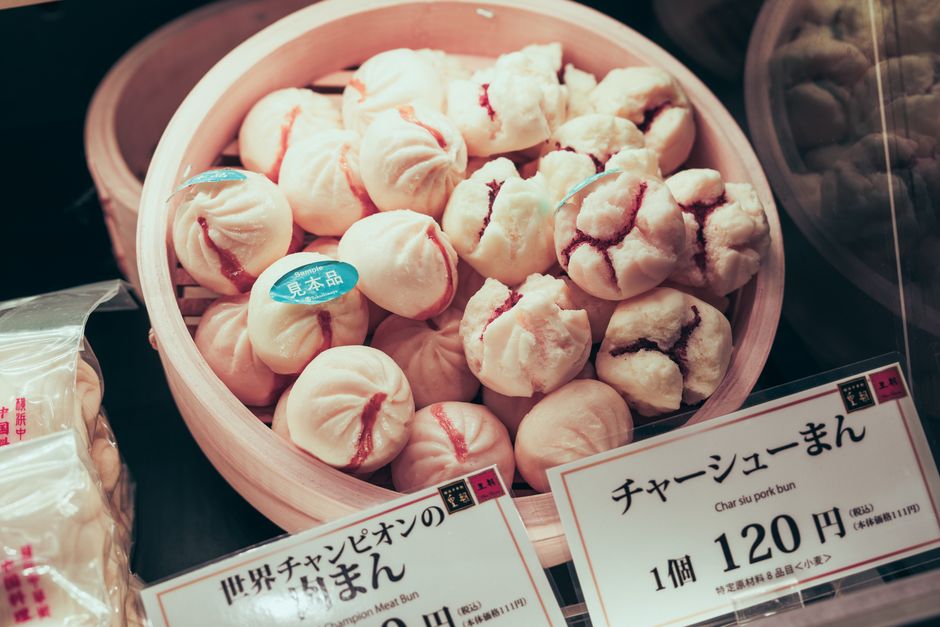
Japanese convenience stores, known as konbini, have earned a reputation for offering high-quality ready-to-eat meals at low prices. Chains like 7-Eleven, FamilyMart, and Lawson provide fresh onigiri (rice balls), bento boxes, salads, and sandwiches for 200 to 500 yen each. Breakfast can be as simple as a bottle of green tea and a pastry, while lunch might consist of a balanced bento with fish, rice, and vegetables. For dinner, a warm bowl of noodles from the store’s heated section costs about 300 to 600 yen.
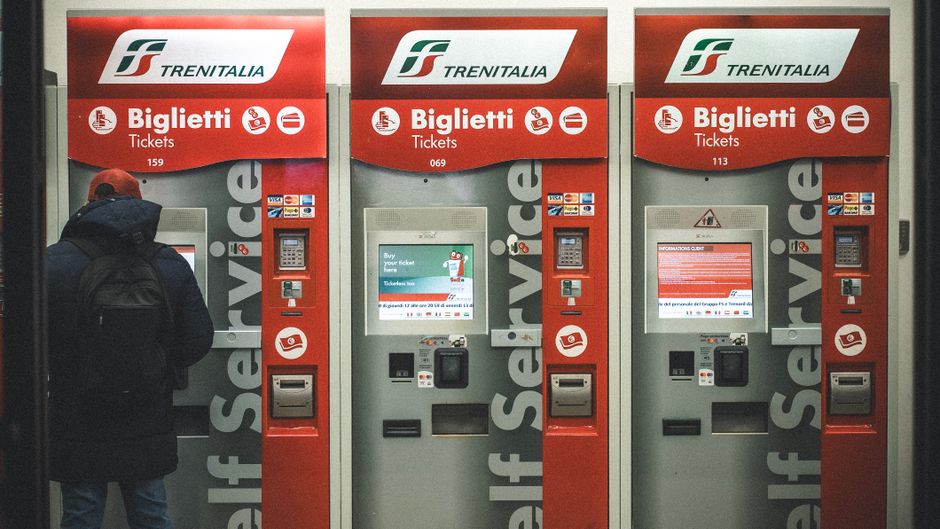
Another cost-effective approach is to eat at local chain restaurants that specialize in single-dish meals. Gyudon (beef bowl) shops such as Yoshinoya, Matsuya, and Sukiya serve generous portions starting around 350 yen. Ramen shops, conveyor belt sushi (kaiten-zushi), and udon stands also offer filling meals for 500 to 900 yen. Many of these establishments have ticket vending machines, which simplify ordering and help avoid language barriers. Eating at these places not only saves money but also immerses travelers in everyday Japanese dining culture.
For those staying in lodgings with kitchen access, supermarkets provide an even greater opportunity to control food expenses. Major chains like Aeon, Ito-Yokado, and smaller local markets sell fresh produce, meat, and prepared side dishes at prices comparable to or lower than konbini. Purchasing items like instant miso soup, instant ramen, eggs, and vegetables allows for quick meal preparation. Weekly food budgets of around 1,500 to 2,000 yen per day are realistic when combining konbini snacks, restaurant meals, and self-prepared components.
Navigating Japan’s Transport System Economically
Transportation costs can quickly exceed budget expectations if not managed carefully. The key is to rely on local trains, buses, and walking rather than shinkansen (bullet trains) or taxis. In cities like Tokyo, Kyoto, and Osaka, single subway or bus rides cost between 150 and 300 yen. Using rechargeable IC cards such as Suica, Pasmo, or ICOCA simplifies transfers and often provides slight fare discounts compared to buying paper tickets each time.
For longer intercity travel, night buses are a popular budget option. These buses run between major cities—such as Tokyo to Kyoto or Osaka to Hiroshima—and cost between 2,500 and 5,000 yen per journey. While the trip takes six to eight hours, it replaces a night of accommodation and thus effectively saves both transport and lodging costs. Many night buses feature reclining seats, curtains, and onboard restrooms, making the experience manageable.
The Japan Rail Pass can be a good value for travelers planning multiple long-distance trips within a short period, but it is not always economical for those moving slowly or staying in one region. Calculating the total cost of individual tickets versus a pass is essential before purchase. For local trips within a city, day passes are often available for unlimited rides on subways or buses, with prices ranging from 600 to 1,200 yen. These passes pay for themselves after just three or four trips and remove the need to track per-ride expenses.
Enjoying Free and Low-Cost Cultural Experiences
Japan offers a wealth of cultural activities that require little or no admission fee. Temples and shrines are often free to enter, though some popular sites charge a small fee (300 to 600 yen) for garden access or treasure halls. Parks and public gardens, such as Ueno Park in Tokyo or Maruyama Park in Kyoto, provide peaceful spaces to stroll without cost. Many cities also host free festivals, called matsuri, especially during spring and summer.
Museums and galleries frequently have discount days or reduced entry for students and seniors. Some offer free admission on the first Sunday of the month or during special exhibitions. Additionally, walking tours led by local volunteers are available in many destinations; these tours are often donation-based and give insight into neighborhoods beyond tourist guides. Visiting a sento (public bath) for around 500 yen offers a relaxing cultural experience that is both authentic and affordable.
Beyond attractions, everyday activities like exploring local markets, people-watching in train stations, or following a walking path along a river require no budget and can become highlights of the trip. The emphasis should be on engaging with the environment rather than collecting paid experiences. When a paid attraction is chosen, planning around free alternatives for the rest of the day helps keep the overall daily expenditure within fifty dollars.
Practical Daily Budgeting Methods
To stay consistently under fifty dollars, it helps to divide the budget into approximate categories. A realistic allocation might be 3,000 yen for accommodation, 2,000 yen for food, 1,500 yen for local transport, and 1,000 yen for activities or incidentals. This totals 7,500 yen, which is roughly 50 USD at typical exchange rates. Variations occur based on location—Tokyo tends to be slightly pricier for accommodation, while rural areas may have cheaper meals.
Tracking expenses using a simple notes app or a dedicated travel budget app can prevent overspending early in the day. Many budget travelers find it useful to withdraw cash in advance, as smaller establishments and rural shops often do not accept cards. Setting a daily cash limit and paying only in yen helps maintain awareness of remaining funds. Adjustments can be made day by day: spending less on one day allows for a modest splurge the next.
Ultimately, traveling Japan on fifty dollars a day depends more on mindset than on strict rules. The process involves continuous decision-making and a willingness to explore alternatives. As Wander Compass often notes, thoughtful planning turns constraints into opportunities for deeper cultural connection.
The methods described here focus on practical steps that many travelers have used to maintain a comfortable yet economical trip. Individual results will vary based on season, personal spending habits, and unforeseen circumstances. However, by embracing the country’s efficient infrastructure and everyday conveniences, visitors can enjoy a rich travel experience without exceeding a modest daily budget.