Street Food in Bangkok: Where Locals Eat for Under Two Dollars
Bangkok’s street food scene is one of the most vibrant and accessible in the world. For visitors and residents alike, the city offers an extraordinary variety of dishes prepared fresh at countless stalls and small carts. What makes this culinary landscape particularly remarkable is the affordability of the food. Many meals cost less than sixty Thai baht, which is approximately two United States dollars. This price range is not limited to a few isolated vendors; it is the norm for a large number of stalls that primarily serve local customers. Understanding where and how to find these inexpensive yet authentic meals can transform a trip to Bangkok into a deeper cultural experience.
The key to eating well on a tight budget in Bangkok is knowing where locals go. Touristy areas often have higher prices and adapted flavors, while the markets and side streets frequented by residents remain committed to traditional recipes and reasonable pricing. Meal prices below two dollars are common for single-dish portions, especially when choosing rice-based or noodle-based options. The freshness of ingredients, the speed of preparation, and the skill of the vendors all contribute to the appeal of this dining culture. By focusing on the habits of local diners, anyone can navigate the city’s food offerings with confidence and curiosity.
This article explores the stalls, markets, and dishes that define Bangkok’s budget-friendly street food landscape. Instead of recommending specific vendors, it describes the types of places where meals are consistently priced within this range, the dishes most commonly prepared, and the practical considerations that help visitors make informed choices. The goal is to provide context and methodology rather than a list of must-try spots, encouraging readers to explore the city’s food culture on their own terms.
Types of Street Food Markets in Bangkok
Bangkok’s street food is organized around several types of markets, each with its own rhythm and specialty. Wet markets, such as Khlong Toei and Or Tor Kor, operate primarily during the daytime. These markets sell raw ingredients but also have stalls that prepare cooked dishes for immediate consumption. Vendors at wet markets tend to cater to local residents who shop for groceries, so prices remain modest. Evening markets and night bazaars, like the ones along Yaowarat Road in Chinatown or the Wang Lang Market near Thonburi, are focused entirely on prepared food. They come alive after dusk when workers and families seek dinner. Street-side stalls that appear on sidewalks and alleys are another common setting. These stalls are often permanent or semi-permanent and serve a loyal customer base from the surrounding neighborhood. Each type of market has its own atmosphere, but all share a commitment to fresh ingredients and affordable pricing.
The layout of these markets influences how food is prepared and served. At a wet market, a cook might grill skewers of pork or chicken over charcoal while a nearby vendor stir-fries noodles in a wok. The stalls are close together, and the cooking process is visible. In night markets, the spaces are more organized, with rows of tables and chairs set out for diners. The vendors specialize—one might focus solely on boat noodles, another on crispy pancakes filled with custard. The specialization helps keep costs low because each stall can perfect its production and buy ingredients in bulk. Understanding these market types helps visitors choose where to go based on the time of day and the type of meal they want.
Common Dishes Priced Under Two Dollars
Many classic Thai dishes fall below the two-dollar threshold when ordered from local stalls. Rice-based dishes such as khao man gai (chicken rice) and khao kha mu (braised pork leg with rice) are typical. A plate of khao man gai includes poached or boiled chicken, fragrant rice cooked in chicken fat, a bowl of clear broth, and a dipping sauce made from fermented soybeans, ginger, and chili. Portions are generous, and the price rarely exceeds fifty to sixty baht. Similarly, khao kha mu features tender pork leg simmered in a spiced soy-based broth until the skin is gelatinous, served with rice and pickled mustard greens. Both dishes are prepared in large batches and served quickly, which keeps the cost low.
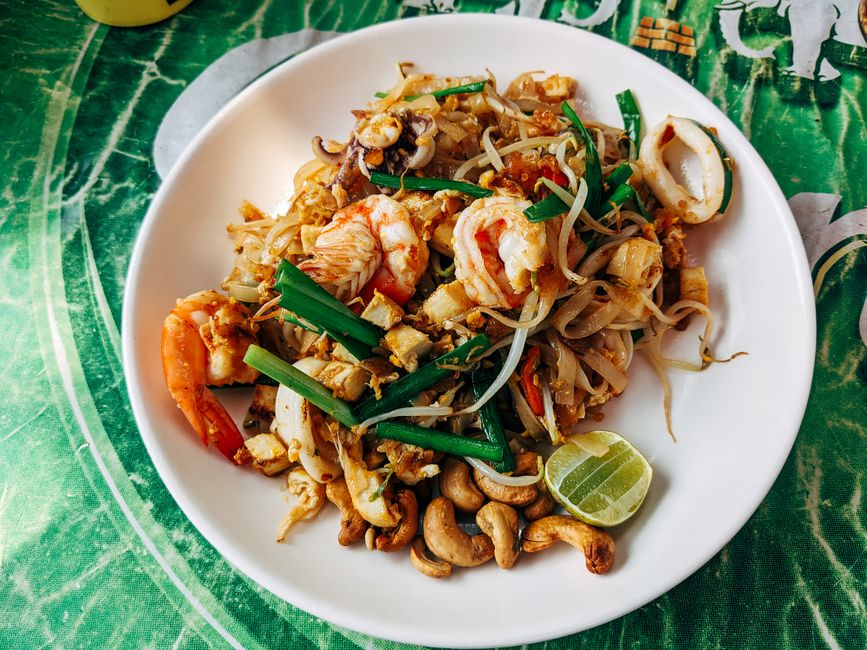
Noodle dishes are equally budget-friendly. A bowl of boat noodles (kuay tiew ruea) typically costs between thirty and fifty baht, depending on the size. The broth is dark and deeply flavored with pork or beef blood, cinnamon, star anise, and garlic. Small portions are the norm, encouraging diners to eat multiple bowls or combine them with a side dish. Pad Thai, stir-fried rice noodles with tamarind sauce, egg, and bean sprouts, is another common option. While some tourist-oriented stalls charge more, the standard price at a local vendor remains well under two dollars. Soups like tom yum noodle soup or tom kha gai (chicken in coconut milk soup) are also available in small bowls for around fifty baht. The key is to look for stalls that display handwritten signs in Thai and have no English menu—these are the places where prices are set for the local market.
Areas and Markets Frequented by Locals
Certain districts in Bangkok are especially known for their concentration of affordable street food. Yaowarat Road, the heart of Chinatown, is famous for its evening food scene. While some stalls near the main intersection cater to tourists, many vendors in the narrower side streets serve a primarily local clientele. Prices for skewers of grilled seafood, dim sum, and noodle dishes hover around forty to sixty baht. The area operates from late afternoon until well past midnight, and the sheer density of options allows visitors to compare prices and observe which stalls have the longest queues. A long queue of Thai customers is generally a reliable indicator of quality and fair pricing.
Another area with abundant cheap food is the Bang Rak district, especially along Charoen Krung Road and its soi (side streets). Here, small halal stalls serve biryani-style rice with chicken or beef for about fifty baht, while other vendors offer grilled meats, curries, and fried rice. The Wang Lang Market near Siriraj Hospital is a daytime market that draws local workers and students. Its narrow lanes are packed with stalls selling everything from Thai-style pancakes (roti) to fried bananas and noodle soups. The market is particularly known for its variety of single-plate meals, all under sixty baht. Or Tor Kor Market, while more upscale than a typical wet market, still has stalls that serve cooked dishes at reasonable prices, especially during lunch hours. The produce is of high quality, and the cooked food section offers pre-made curries and stir-fried vegetables that can be taken away or eaten on the spot.
How to Identify Stalls That Serve Locals
Recognizing a stall that primarily serves local customers involves observing a few simple cues. The first is language: if the menu board is written only in Thai and the vendor does not immediately switch to English, the stall is likely catering to a neighborhood clientele. Another sign is the presence of a queue or cluster of Thai customers during peak meal times. Locals tend to know which stalls consistently deliver fresh food at fair prices, and they vote with their feet. The type of payment method can also be revealing. Stalls that accept only cash and have no QR codes or card readers are often older establishments with a loyal local following.
The location of the stall matters as well. Stands situated away from main tourist thoroughfares, in residential soi, or inside a market that does not appear in many guidebooks are more likely to charge prices that locals expect. The time of day also influences pricing. Stalls that operate during breakfast or lunch hours often have lower prices than those that open for dinner, partly because the competition among vendors for the lunch crowd keeps margins thin. Visitors can approach these stalls with confidence, knowing that the food is prepared for a repeat customer base that demands quality and value.
Practical Considerations for Eating Street Food
While Bangkok’s street food is generally regarded as safe and hygienic, there are factors to keep in mind when eating at stalls that charge very low prices. The turnover of ingredients is high, meaning that most vendors buy fresh produce daily. Dishes are cooked to order, which reduces the risk associated with food that has been sitting for hours. Observing the cleanliness of the stall and the vendor’s handling of food can provide additional clues. Stalls that keep raw and cooked ingredients separate, that use disposable gloves when handling money, and that maintain a clean cooking surface are following practices that are common in the city.
Another consideration is the weather. Bangkok is hot and humid, and some ingredients, such as fresh herbs and sauces, can spoil quickly if left unrefrigerated. Vendors typically restock their supplies throughout the day, and they discard leftovers at the end of their shift. Diners can choose dishes that are cooked at high temperatures—stir-fries, grilled items, and soups—which have a lower chance of harboring bacteria. For those who are unused to spicy food, options like khao man gai or plain rice with grilled meat are mild and widely available. Water is usually sold in sealed bottles or as bagged ice. The overall approach is to use common sense and to follow the crowd; stalls that are busy are likely to have the freshest food.
The Cultural Context of Street Dining
Eating street food in Bangkok is not merely a matter of convenience or affordability; it is a deeply embedded social practice. Many stalls have been operated by the same families for decades, and customers develop relationships with the vendors. Meals are eaten quickly at small plastic tables or while standing, but the experience is communal. Groups of coworkers often share several dishes from different stalls, and the practice of ordering multiple small plates allows diners to taste a variety of flavors in one meal. This style of eating encourages exploration and flexibility, as there is no obligation to finish a large portion from a single vendor.
The low price point is a deliberate aspect of food culture. It ensures that food remains accessible to all economic levels, and it supports a diverse ecosystem of small entrepreneurs. For visitors, engaging with this system offers a way to understand daily life in Bangkok beyond the tourist attractions. Observing how locals choose their stalls, what they order, and how they interact with vendors provides insight into the city’s rhythms. The affordability of street food does not indicate a lack of quality; rather, it reflects an efficient supply chain and a tradition of minimal overhead—stall owners often operate from home kitchens or shared spaces. Recognizing this context enriches the experience of dining on a budget and underscores the value of exploring beyond the familiar.