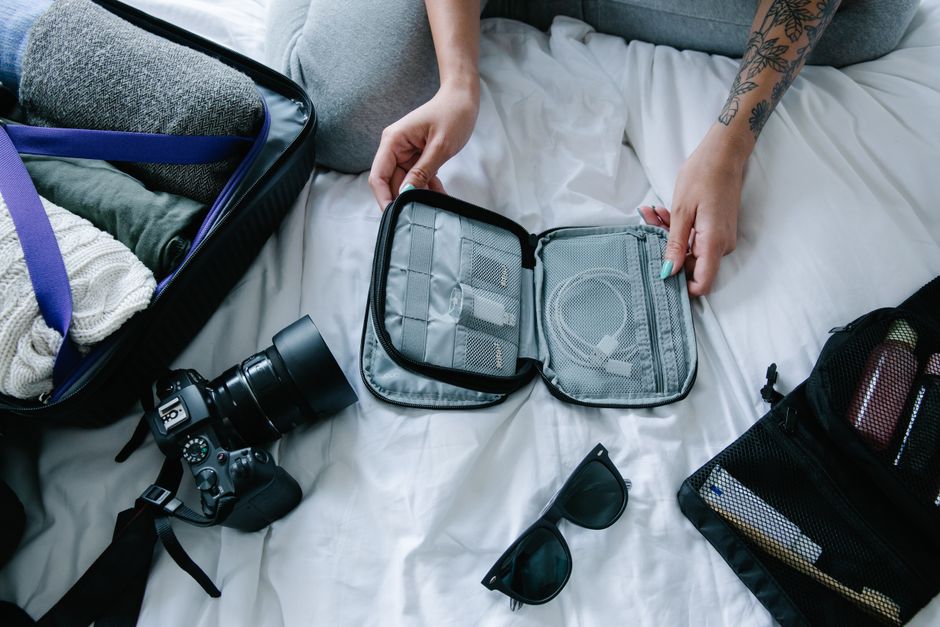
Ultimate Carry-On Packing List for Long-Term Trips
Packing for an extended trip of three months with nothing more than a 40-liter carry-on backpack requires a strategic approach. The goal is not to bring everything one might need, but to select items that serve multiple purposes across varying climates and activities. This method relies on careful consideration of weight, volume, and versatility rather than on assumptions of guaranteed comfort or convenience. Travelers who use resources like Wander Compass often find that a well-planned packing list can simplify logistics and reduce stress during long journeys.
The process begins with understanding the constraints of a 40-liter bag and the regulations for carry-on luggage. Weight limits vary by airline, and the bag must fit in overhead compartments. Beyond practical limitations, the choice of items reflects a mindset that prioritizes adaptability over abundance. Each item should earn its place by offering utility in more than one context. For example, a single pair of shoes might serve for walking, dining, and light hiking. This article outlines a framework for assembling such a kit, focusing on categories that cover clothing, toiletries, electronics, and organizational tools.
Clothing and Layering Strategies
Clothing for a long-term trip typically revolves around a capsule wardrobe that can be mixed and matched. Fabrics that dry quickly and resist wrinkles are often preferred, such as merino wool, nylon, or polyester blends. A typical selection might include three to four tops, two bottoms, a lightweight insulating layer, and a waterproof outer shell. The exact number depends on the traveler’s willingness to wash items frequently—every few days in a sink or laundromat.
Layering is a key technique for adapting to changing temperatures. A base layer, mid layer, and outer shell can cover conditions from cool mornings to warm afternoons. Travelers often include a versatile scarf or buff that can function as a pillow, face covering, or light blanket. For destinations with warm climates, shorts and a few tank tops may replace heavier items. The principle is to choose colors and styles that coordinate, so fewer pieces create more outfits. This approach reduces the total volume while maintaining flexibility.
Underwear and socks are worth special attention. Merino wool socks, for instance, can be worn multiple days without odor and dry quickly after washing. Many travelers bring five to seven pairs of underwear and three to four pairs of socks. A swimsuit that also serves as spare underwear or athletic wear adds further utility. Packing cubes or compression bags help organize these items and maximize space inside the 40-liter backpack.
Footwear and Accessories
Footwear is one of the most space-consuming categories, so limiting it to two pairs is common. A comfortable pair of walking shoes or low-top hiking shoes serves for most daily activities. A second pair of sandals or lightweight flats works for evenings, beach visits, or hostel showers. Shoes should be broken in before the trip to reduce the risk of blisters.
Accessories such as a reusable water bottle, a travel towel, and a small daypack or foldable tote add convenience without taking much room. A reusable water bottle with a filter can be especially useful in areas where tap water is not potable. A quick-dry travel towel, often made of microfiber, replaces bulky cotton towels. Many travelers also include a universal sink stopper for doing laundry in hotel sinks.
A few practical items like a headlamp, a combination lock, and a small first-aid kit address specific needs. The headlamp is helpful for reading in dormitories or walking after dark. The lock secures the backpack in lockers or luggage storage. The first-aid kit should contain only essentials such as bandages, antiseptic wipes, and pain relievers, since pharmacies are widely available in most destinations.
Toiletries and Personal Care
The toiletries kit for a long-term trip must balance thoroughness with strict size limits. All liquids, gels, and aerosols must fit in a single quart-sized bag for air travel. Travelers often transfer products into reusable 3.4-ounce (100 ml) bottles. Solid toiletries like shampoo bars, conditioner bars, and soap bars bypass liquid restrictions entirely and reduce waste.
Typical contents include toothpaste, a toothbrush, deodorant, sunscreen, and a small bottle of laundry soap. A multi-purpose soap that works for body, hair, and laundry can simplify the kit. Nail clippers, tweezers, and a small comb or brush are also common. For women, menstrual products or a menstrual cup are personal choices that require planning. Men might include a small razor and shaving cream. Contact lens solution and a spare set of glasses are important for those who need them.
Medical considerations should be addressed before departure. A small prescription medication supply for the full trip, along with a copy of the prescription, is advisable. A basic travel health kit might include anti-diarrheal medication, antihistamines, and motion sickness pills. These items are for self-care and do not replace professional medical advice. Travel insurance documentation and emergency contact numbers should be stored both digitally and in a waterproof pouch.
Electronics and Documentation
Electronics for long-term travel often center on a smartphone, a laptop or tablet, and their chargers. A smartphone can serve as a camera, GPS, entertainment device, and communication tool. A lightweight tablet or a compact laptop may be necessary for work or extended writing, but many travelers manage with just a phone. Power banks of 10,000 to 20,000 mAh help keep devices charged during long transit days or when outlets are scarce.
Charging cables and adapters should be organized to prevent tangles. A universal travel adapter that works in multiple countries reduces the need for multiple converters. For photography, a small point-and-shoot camera or a phone with a good camera may suffice. Noise-canceling headphones can improve focus and comfort during flights or in noisy environments. All electronics should be stored in a padded sleeve or pouch within the backpack.
Documentation is equally critical. A passport, visa documents, printed copies of flight itineraries, and travel insurance cards should be kept in a secure but accessible location. Many travelers also carry a backup credit card and some local currency. Digital copies of these documents stored in a cloud service provide an additional layer of security. A small notebook and pen can be useful for jotting down directions, journaling, or collecting contact details from new acquaintances.
Packing Techniques and Organization
How items are packed can significantly affect the usability of a 40-liter backpack. Rolling clothes instead of folding them often saves space and reduces wrinkles. Packing cubes help separate categories such as tops, bottoms, underwear, and electronics. Compression cubes further shrink bulky items like fleece jackets or sweaters. A typical arrangement places heavier items near the back of the bag and frequently used items near the top or in external pockets.
A small dry bag or stuff sack can serve multiple purposes: it protects electronics during rain, contains dirty laundry, or works as a makeshift pillow. Wearing the bulkiest items, like a jacket and boots, during travel frees up space inside the bag. Some travelers use a carabiner to attach sandals or a water bottle to the outside of the backpack. The key is to create a system that allows quick access without unpacking everything.
Adaptability remains important throughout the trip. As conditions change, the packing list may evolve. Items that prove unnecessary can be mailed home or replaced with locally purchased ones. The initial list should be seen as a starting point rather than a fixed rule. By focusing on versatile, lightweight essentials, travelers can maintain mobility and comfort across three months with only a carry-on backpack.